
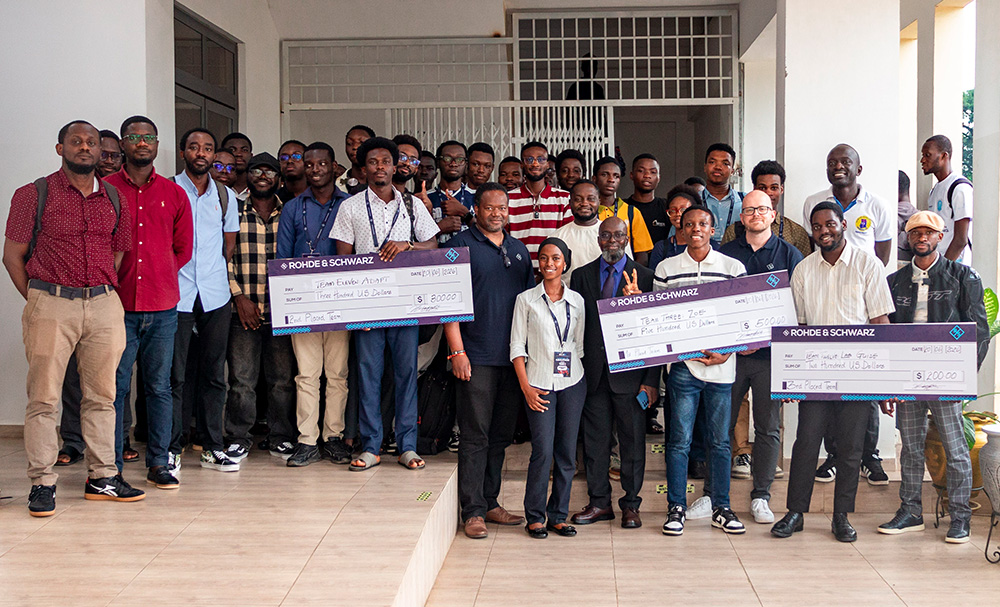
The Department of Telecommunications Engineering at the Kwame Nkrumah University of Science and Technology, Kumasi (KNUST), in collaboration with the Rohde & Schwarz African University Project Team, has concluded an intensive 48-hour hackathon aimed at inspiring students to develop innovative solutions to real-world engineering and educational challenges.
The competition brought together 12 student teams that worked over two days to conceptualise and build practical technology-driven solutions under the mentorship of industry professionals and faculty members. At the end of the event, outstanding teams received cash prizes, with the winning team awarded USD 500, the first runner-up USD 300 and the second runner-up USD 200.
The hackathon forms part of a broader partnership between KNUST and Rohde & Schwarz, a German technology company that has, over the past few years, invested in equipping the University with state-of-the-art telecommunications and radio frequency (RF) research laboratories.
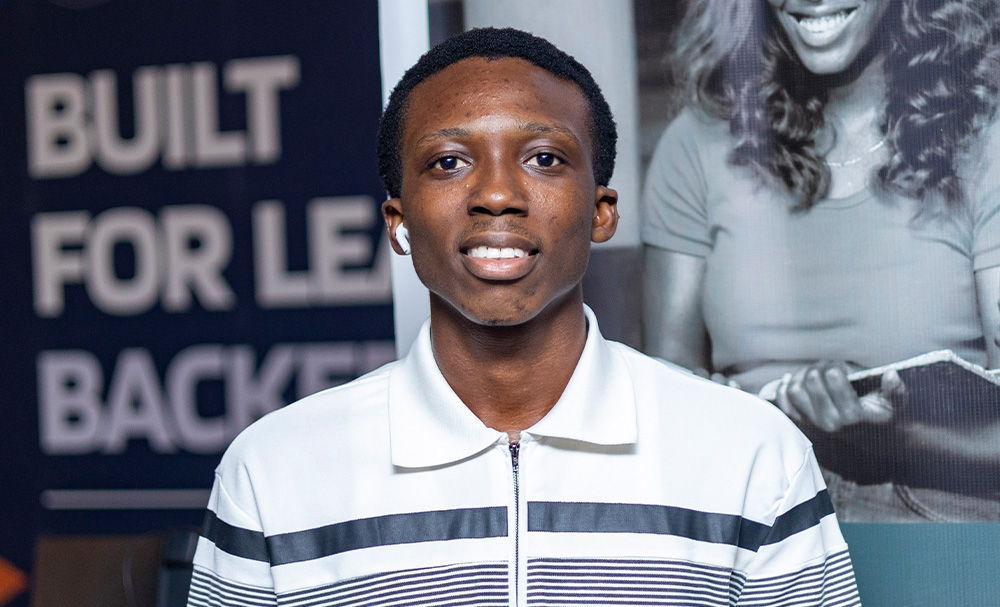
Christian Afrane, leader of the winning team, developed ZOE, an artificial intelligence-powered virtual laboratory assistant designed to transform students' laboratory experiences.
ZOE aims to enhance practical learning by guiding students through laboratory sessions while maintaining personalised academic records.
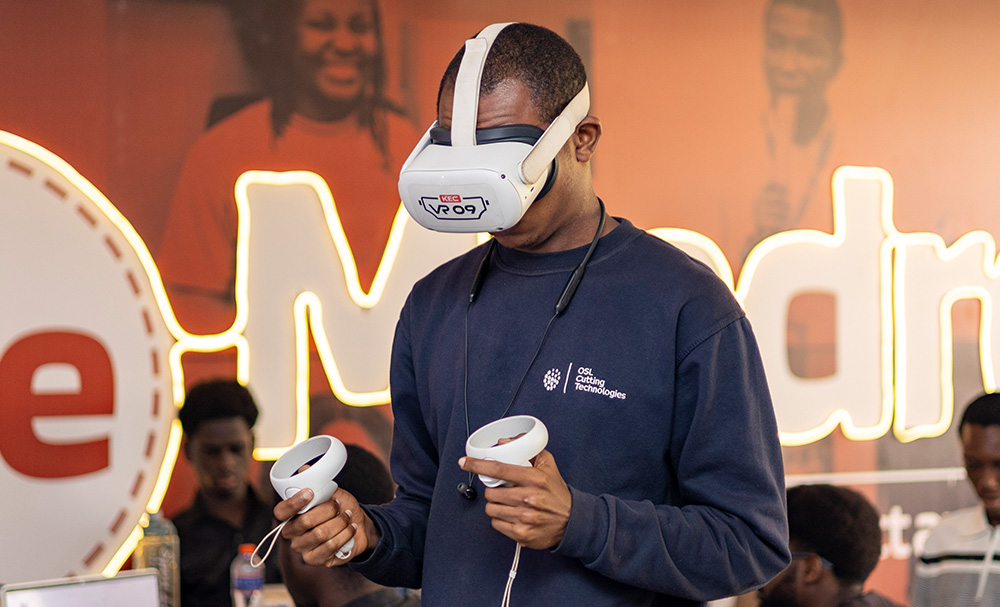
According to Christian, the platform distinguishes itself from conventional AI chatbots by integrating student-specific information and offering future capabilities to interface directly with laboratory equipment.
"We also want to own the technology as a school so that we have the history of students' interactions and databases. In the future, ZOE can initiate 3D printing, generate waveforms on laboratory instruments, and create 3D models," he said.
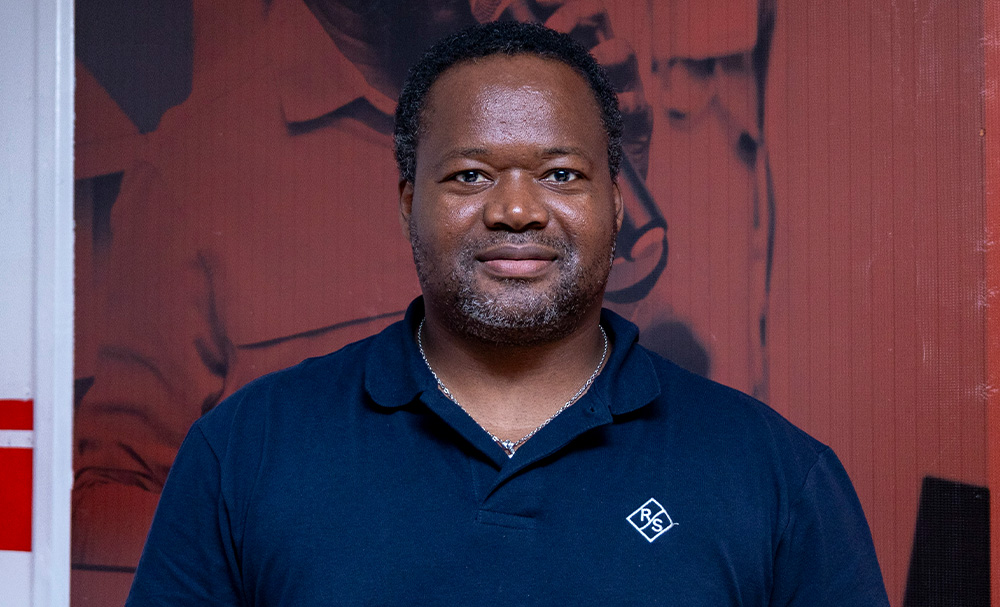
Hermann Bayala, Software Test Manager at Rohde & Schwarz, described the hackathon as a continuation of the company's longstanding collaboration with KNUST.
"This hackathon has challenged students to exercise their creativity and work around laboratory equipment that has been sponsored. That way, we don't only have the hardware, but also meaningful ways to put these equipment into work," he said.
He noted that the challenge featured five thematic tracks and generated a diverse range of ideas, including solutions for onboarding new students, troubleshooting laboratory equipment, personalised learning and virtual assistance.
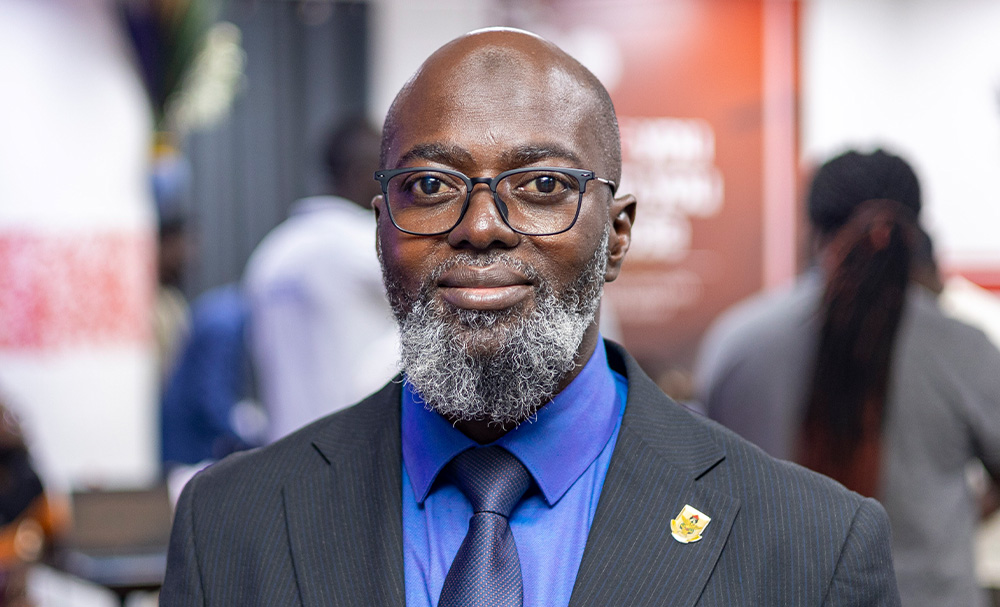
The Head of the Department of Telecommunications Engineering, Ing. Prof. Abdul-Rahman Ahmed, praised the students for demonstrating remarkable ingenuity under tight deadlines and stressed the importance of creating more opportunities that challenge their abilities.
Prof. Ahmed said he was impressed by the students' performance, noting that despite having only a day and a half to tackle challenges in areas unfamiliar to some of them, they developed innovative and impactful solutions.
"We have brilliant students and we need a lot of these programmes to challenge them to come up with innovative solutions," he said.


